 English
 Português
International Cooperation: IIA-LNCC Presents the Gypscie System at a Seminar at the LIG Laboratory of Université Grenoble Alpes
Jun, 08 2026
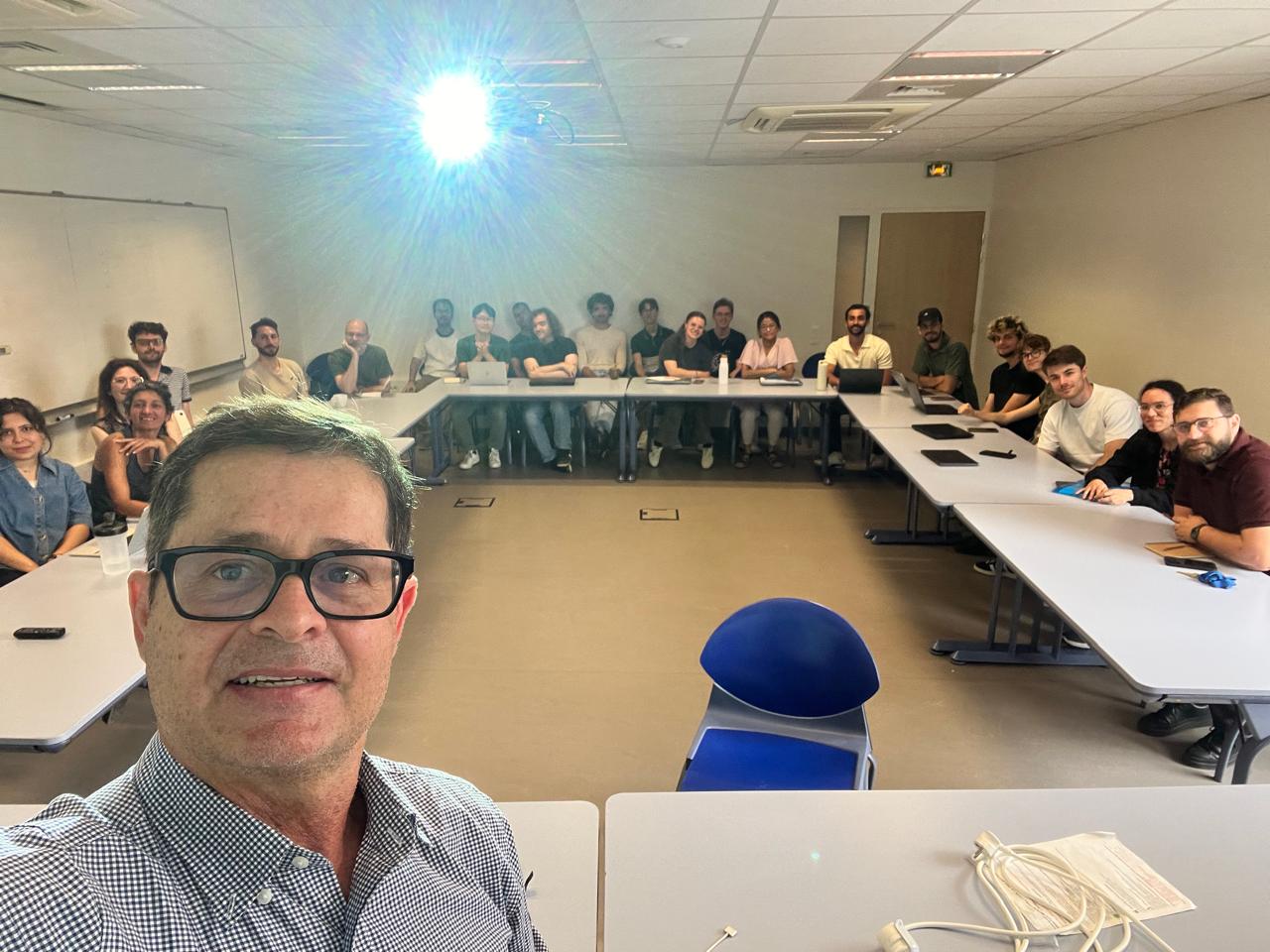
On June 2, 2026, the coordinator of the Artificial Intelligence Institute of LNCC (IIA-LNCC), researcher Fabio Porto, conducted a scientific visit to the Laboratoire d'Informatique de Grenoble (LIG), France, where he presented research developed within the institute to members of the DAISY (Data Analytics, Intelligent and Scalable Systems) research group.
During the visit, Prof. Porto delivered a talk entitled Gypscie: A Cross-Platform AI Artifact Management System as part of the DAISY research seminar series, at the invitation of researcher Sihem Amer-Yahia. The DAISY group is part of the SIDCH research axis at LIG (UMR 5217), a joint laboratory of Université Grenoble Alpes, Grenoble INP, CNRS, and Inria, conducting research in data management, artificial intelligence, and scalable data-centric systems.
The presentation focused on the Gypscie system, a platform for Artificial Intelligence artifact lifecycle management designed to provide an integrated view of data, AI models, and computational processes. The work is described in the paper “Gypscie: A Cross-Platform AI Artifact Management System,” which proposes an approach to simplify the development and operation of AI applications through the integration of heterogeneous computing platforms and the unified management of AI artifacts.
Gypscie integrates information about datasets, models, dataflows, and experimental results through a knowledge graph that captures application semantics. The platform also incorporates rule-based reasoning mechanisms for querying and analyzing managed artifacts, while recording provenance information that contributes to the traceability and explainability of generated results.
Another key feature highlighted during the presentation was Gypscie’s support for the execution of workflows specified at a high level through abstract dataflows. This approach enables the automatic scheduling and execution of tasks across different computing environments, including local servers, cloud platforms, and high-performance computing systems.
The visit provided a valuable opportunity for knowledge exchange on topics of common interest between the two research groups, including AI-driven data management, knowledge graphs, data provenance, scientific workflow optimization, and the integration of AI techniques with data management systems. During the discussions, researchers shared experiences related to the application of Artificial Intelligence in different scientific domains and explored how advanced approaches to data and AI model management can contribute to the development of more efficient, sustainable, trustworthy, and accessible research ecosystems.
As part of the presentation, Prof. Fabio Porto showcased a demonstration video of Gypscie, illustrating how the platform supports the complete lifecycle management of Artificial Intelligence models. The video first demonstrated the execution of a data preprocessing workflow using meteorological observations collected from weather stations. It then presented the training of a machine learning model using the dataset produced during the preprocessing stage. The demonstration also included the inference phase, in which the trained model was applied to new input data, as well as the visualization of metrics associated with model training and evaluation. Together, these features highlighted Gypscie’s capabilities for monitoring, traceability, and integrated management of AI experiments.
The growing collaboration between IIA-LNCC and LIG strengthens the institute’s international presence and expands opportunities for scientific cooperation between Brazil and France in strategic areas related to digital transformation. At a time when Artificial Intelligence is becoming an essential technology for research, innovation, and economic competitiveness, initiatives such as this contribute to the development of global knowledge networks and the advancement of solutions with significant scientific and societal impact.
Learn more about the Artificial Intelligence Institute of LNCC: https://instituto.ia.lncc.br/pt
Learn more about the Laboratoire d'Informatique de Grenoble (LIG): https://www.liglab.fr
Other News
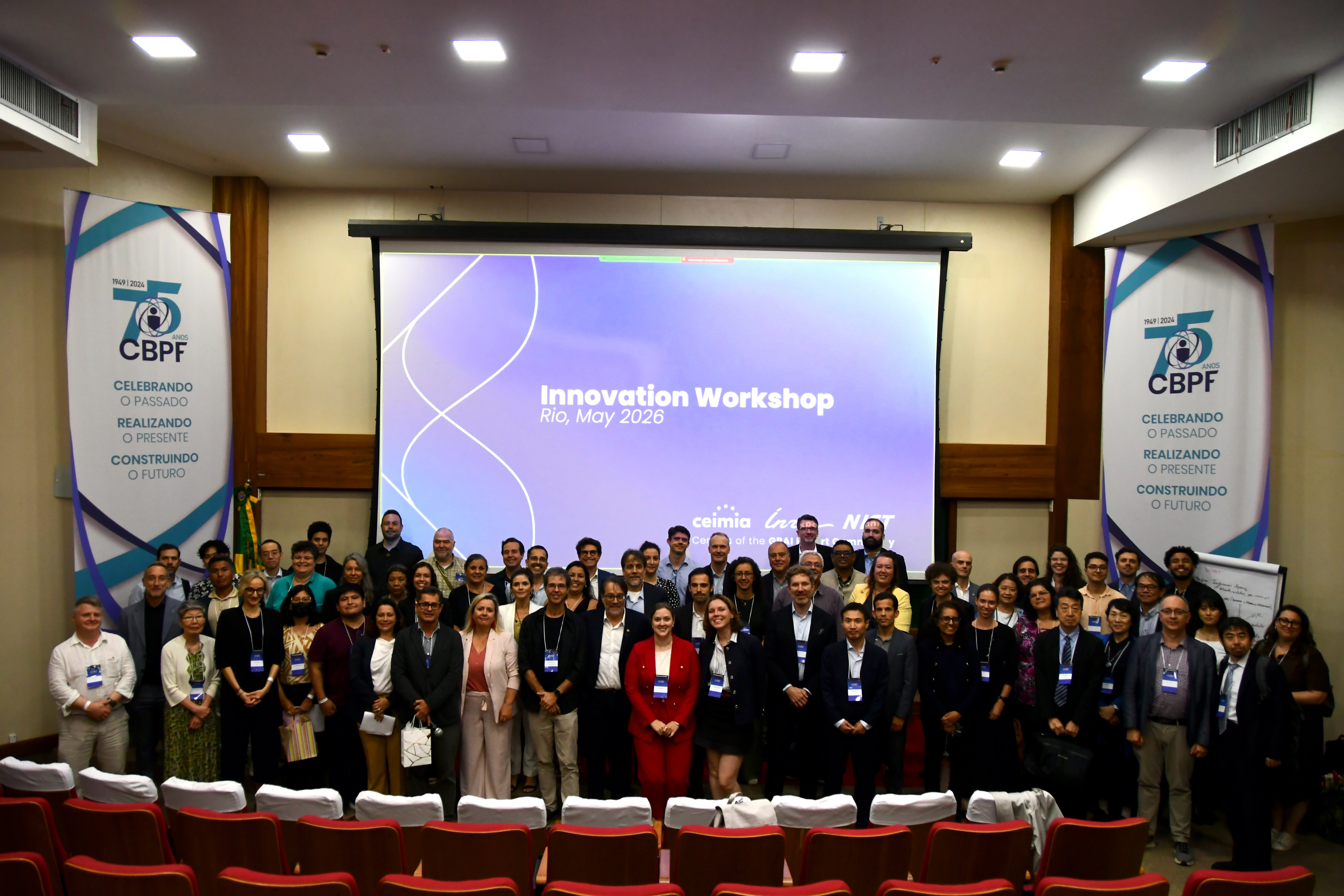
Rio de Janeiro Hosted the GPAI Innovation Workshop 2026 and Strengthened Brazil’s Leadership in Global Artificial Intelligence Discussions
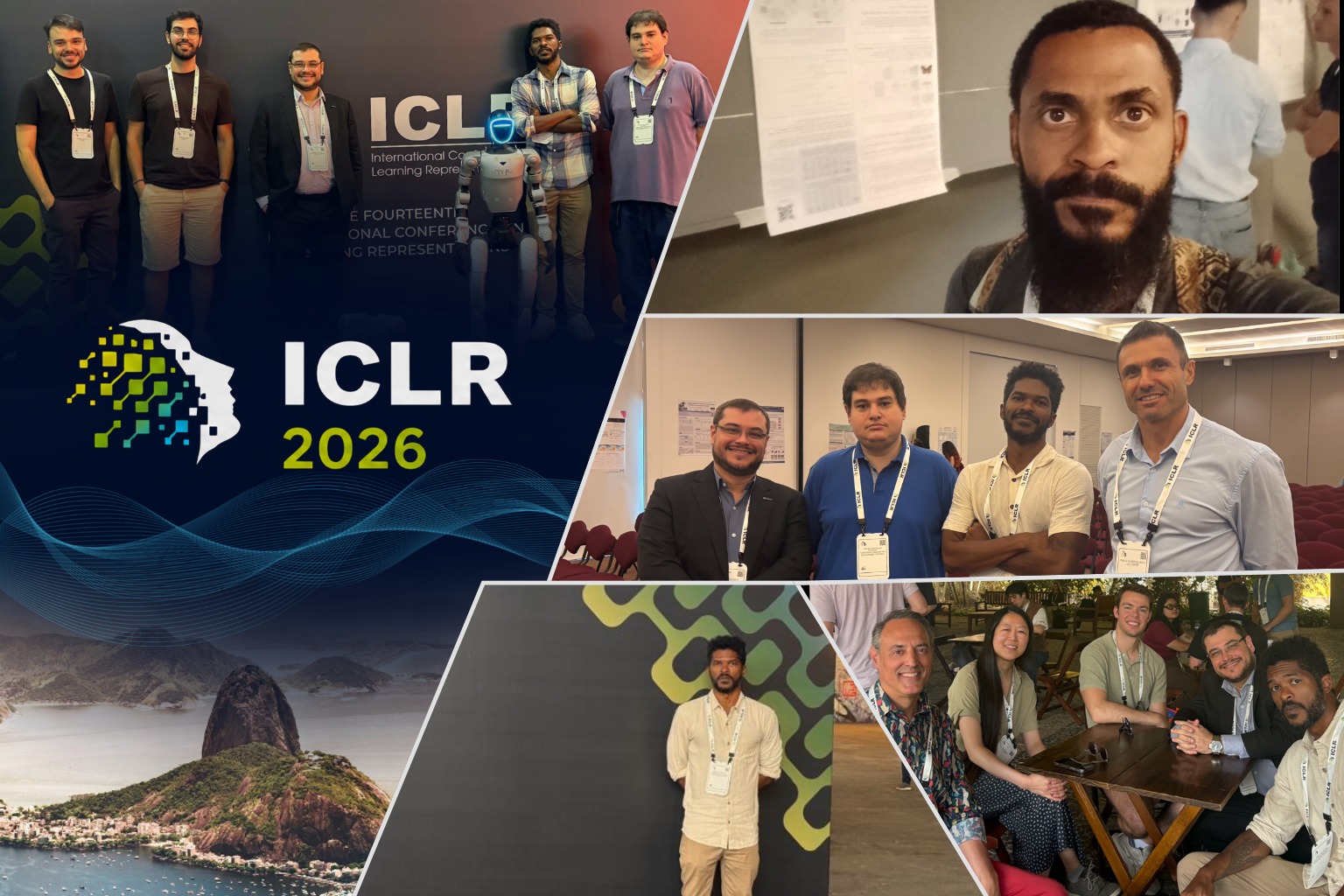
ICLR 2026: Researchers Associated with IIA-LNCC Present Advances in AI and Scientific Computing