 English
 Português
Rio de Janeiro Hosted the GPAI Innovation Workshop 2026 and Strengthened Brazil’s Leadership in Global Artificial Intelligence Discussions
Jun, 02 2026
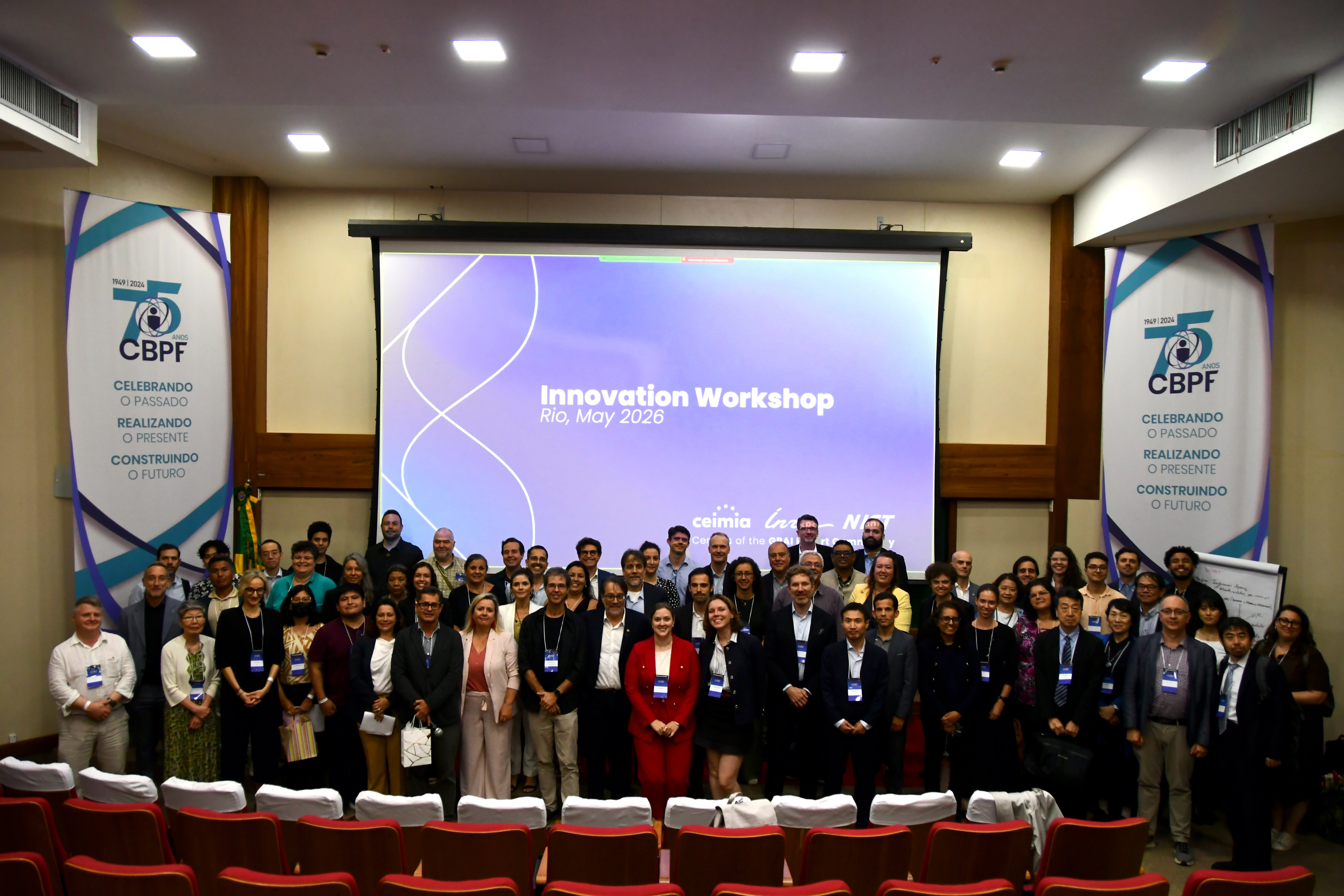
On May 19 and 20, 2026, Rio de Janeiro became one of the world’s leading centers for discussions on the future of Artificial Intelligence (AI) by hosting the GPAI Rio de Janeiro 2026 Innovation Workshop (IW), the annual meeting of the Global Partnership on Artificial Intelligence (GPAI). Held at the Brazilian Center for Research in Physics (CBPF), which served as the host institution, the workshop brought together approximately 60 international experts, researchers, policymakers, government representatives, and leaders from partner organizations to discuss challenges and opportunities related to the responsible development of AI.
Hosting the event in Brazil marked an important milestone for the country’s participation in global AI discussions. As the first edition ever held in Latin America, the Innovation Workshop highlighted international recognition of Brazil’s ability to contribute to innovative solutions and policy development aimed at the ethical, inclusive, and sustainable advancement of AI technologies.
The event was locally organized by the Artificial Intelligence Institute of the National Laboratory for Scientific Computing (IIA-LNCC), coordinated by researcher Fabio Porto, and by the Brazilian Ministry of Science, Technology and Innovation (MCTI), represented by Cristina Shimoda, General Coordinator for Digital Transformation. By bringing one of GPAI’s most important initiatives to Brazil, IIA-LNCC and MCTI reinforced the country’s commitment to international cooperation, responsible innovation, and active participation in discussions shaping the future of Artificial Intelligence worldwide.
In a context marked by rapid technological transformation, Artificial Intelligence has become one of the most influential forces of the 21st century. Its ability to accelerate scientific discovery, foster innovation, enhance economic competitiveness, and support evidence-based policymaking has redefined how countries, institutions, and companies address complex challenges. From advanced research in healthcare, climate science, and new materials to the modernization of industry, services, and public administration, AI plays a central role in building solutions for sustainable development and improving quality of life.
At the same time, AI presents risks that must be anticipated, mitigated, or even eliminated. Continuous discussions in forums such as the GPAI Innovation Workshop help keep stakeholders—including governments, civil society, and academia—informed while enabling democratic debate and the development of recommendations that promote the responsible use of Artificial Intelligence.
In this context, hosting an international meeting dedicated to discussing the impacts, opportunities, and governance mechanisms of AI reinforced Brazil’s strategic role in building a more inclusive, ethical, and innovative digital future.
Innovation Workshop: Shaping the International AI Agenda
Among GPAI’s flagship initiatives is the Innovation Workshop, held annually to bring together international experts and foster knowledge exchange, collaborative project development, and the definition of strategic priorities for the coming year.
Previous editions took place in Quebec (2023), Paris (2024), and Tokyo (2025), establishing the workshop as a key global forum for building consensus and formulating proposals related to Artificial Intelligence.
The selection of Brazil as the host country for the 2026 edition reflected growing international recognition of the country’s contributions to scientific research, technological innovation, and the discussion of governance models for the responsible use of AI.
Opening Ceremony Gathered Brazilian Authorities and Diplomatic Representatives
The opening ceremony featured representatives from countries that play a prominent role in the international AI agenda. Participants included Canada’s Consul General François Jubinville, France’s Consul General in Rio de Janeiro Érin Tallon, and Japan’s Consul General Takashi Manabe, underscoring the diplomatic and strategic relevance of the event.
Welcome remarks were delivered by Henrique Miguel, Secretary of the Secretariat for Digital Transformation of the Ministry of Science, Technology and Innovation (SETAD/MCTI), who highlighted the importance of international cooperation in developing technologies capable of generating economic and social benefits while promoting innovation, inclusion, and sustainable development. Marcelo Albuquerque, Director of CBPF, emphasized the role of Brazilian scientific institutions in building bridges between research, innovation, and public policy, strengthening the country’s presence in international forums dedicated to AI governance.
GPAI: A Global Partnership for Responsible and Inclusive AI
GPAI brings together democratic nations around a shared agenda to promote the responsible, inclusive, and innovative development of Artificial Intelligence. The initiative is coordinated by internationally recognized institutions: the Institut National de Recherche en Sciences et Technologies du Numérique (INRIA) of France, the Centre d’Expertise International de Montréal en Intelligence Artificielle (CEIMIA) of Canada, and the National Institute of Information and Communications Technology (NICT) of Japan, represented by their GPAI coordinators Aurélie Simard (INRIA), Sophie Fallaha (CEIMIA), and Yuko Harayama (NICT).
Recognized as one of the most important multilateral forums dedicated to Artificial Intelligence, GPAI brings together OECD member countries and partner nations to advance an ambitious agenda focused on the development and implementation of human-centered, safe, trustworthy, and ethically aligned AI systems.
In 2024, GPAI became an initiative associated with the Organisation for Economic Co-operation and Development (OECD), further expanding its international reach and influence.
Strategic Topics for the Future of Artificial Intelligence
Throughout the two-day program, participants discussed four key themes considered critical to the future development of AI.
The first, “Societal Empowerment in the AI Era: From Literacy to Informed Agency,” focused on strategies to expand AI literacy and strengthen society’s ability to understand, evaluate, and participate in decisions regarding the use of AI technologies.
Another featured theme was “Cooperation Frameworks for AI Governance: Transitioning Toward Collaborative Modular Innovation,” which examined governance models capable of fostering international cooperation, encouraging innovation, and responding more effectively to technological change.
Discussions also explored “Scaling Local Specificity to Global Discovery: AI-Driven Knowledge Production,” highlighting AI’s potential to transform local knowledge and experiences into globally relevant solutions while expanding scientific and technological knowledge production.
Finally, the workshop devoted special attention to “Harnessing Cultural Diversity: Bridging Vernacular Contexts and AI Training,” emphasizing the importance of linguistic, cultural, and regional diversity in developing AI systems that are more representative, inclusive, and aligned with different social realities.
The discussions throughout the event reinforced the need for AI advancement to be guided by ethical principles, transparency, respect for diversity, and a commitment to collective well-being.
A Legacy for Brazil and International Cooperation
The GPAI Rio de Janeiro 2026 Innovation Workshop left an important legacy for the Brazilian AI ecosystem. In addition to strengthening the country’s international presence, the event expanded opportunities for scientific, technological, and institutional cooperation with some of the world’s leading AI stakeholders. It also showcased national excellence through the participation of 27 Brazilian researchers and experts in high-level discussions shaping the future of AI on the global stage.
The event further demonstrated the capacity of Brazilian institutions to lead initiatives of international relevance, reaffirming the roles of LNCC, the Artificial Intelligence Institute, CBPF, and MCTI in promoting research, innovation, and public policies aimed at the responsible development of AI.
By bringing together experts from different continents to discuss strategic topics for the future of technology, Brazil consolidated its position as a relevant partner in building a global AI agenda that values innovation, inclusion, cultural diversity, and sustainable development.
More than simply hosting an international event, the country demonstrated its commitment to actively participating in the construction of the pathways that will guide Artificial Intelligence in the coming decades. At a time when AI is increasingly recognized as a strategic asset for technological sovereignty, economic competitiveness, and scientific knowledge production, the GPAI Rio de Janeiro 2026 Innovation Workshop reaffirmed the importance of international cooperation in ensuring that the benefits of this transformation reach society as a whole, contributing to a more innovative, inclusive, and sustainable future.
IIA Outreach Office
instituto.ia@lncc.br
Other News
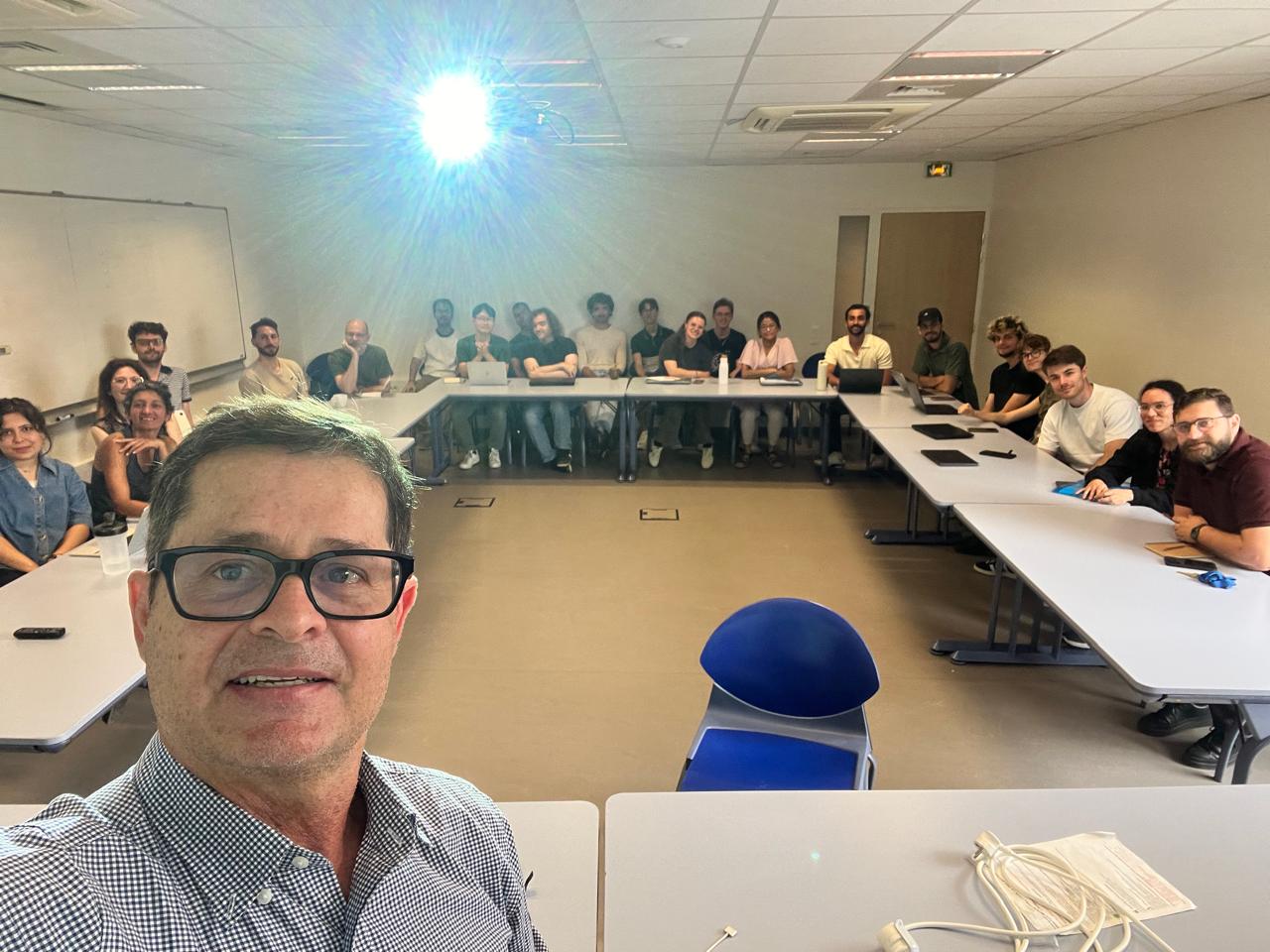
International Cooperation: IIA-LNCC Presents the Gypscie System at a Seminar at the LIG Laboratory of Université Grenoble Alpes
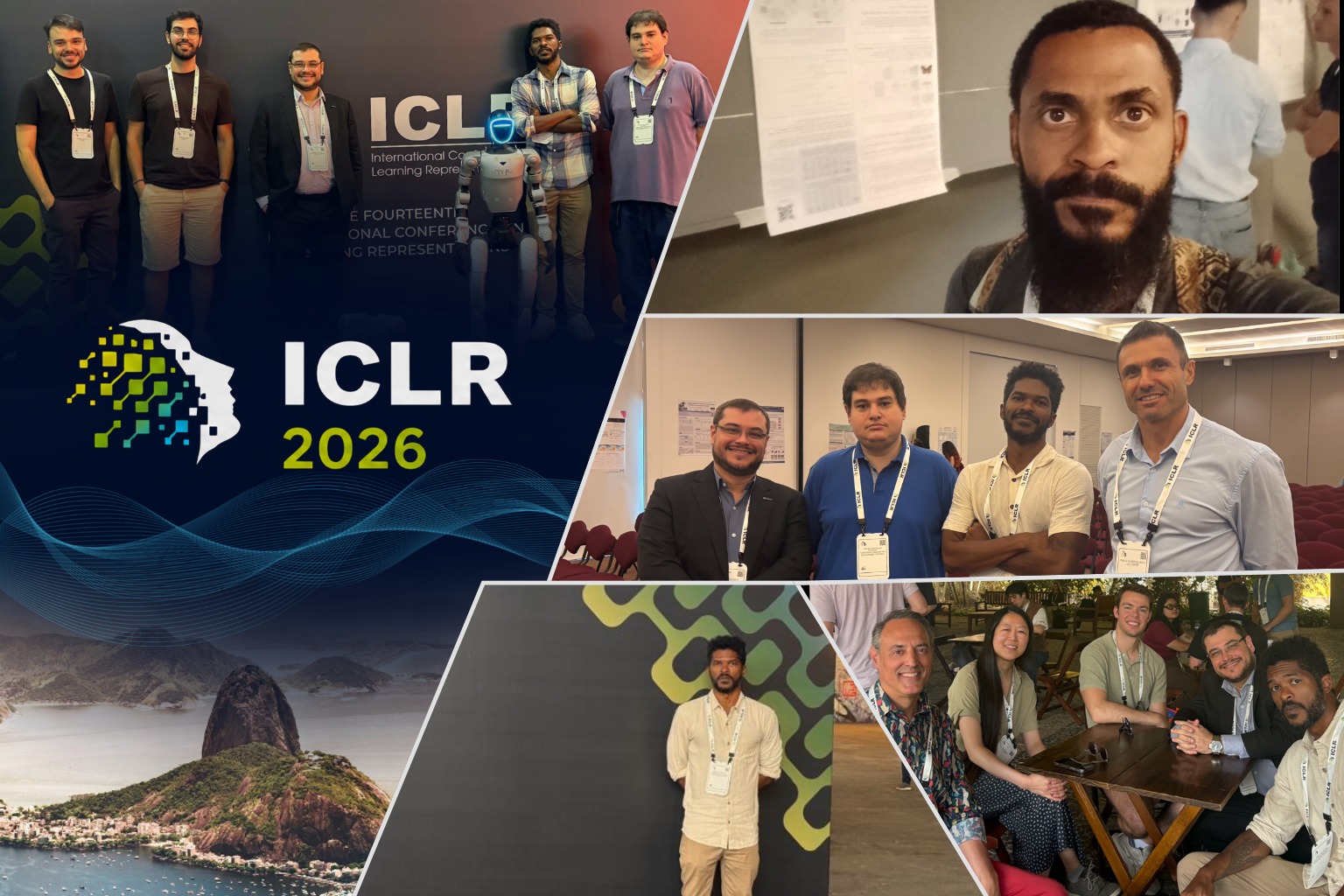
ICLR 2026: Researchers Associated with IIA-LNCC Present Advances in AI and Scientific Computing